Connections Between Mobile Interfaces and Layered Rewards in Chance-Driven Digital Environments
Erik Krüger · Oct 30, 2026
Connections Between Mobile Interfaces and Layered Rewards in Chance-Driven Digital Environments
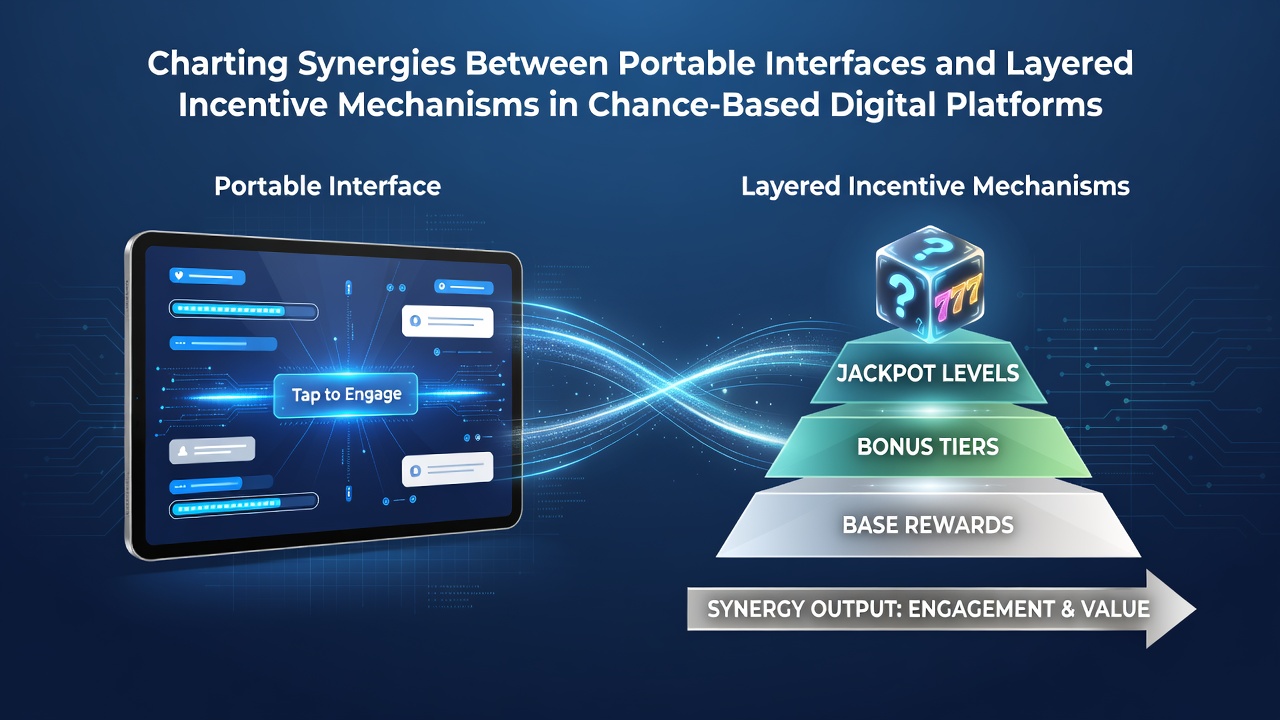
Portable interfaces have reshaped how users interact with chance-based digital platforms since the widespread adoption of smartphones in the early 2010s, and layered incentive mechanisms now operate as core components within those same systems. Data from industry reports indicate that mobile access accounts for over 70 percent of session activity on many global platforms, while reward structures such as tiered bonuses and loyalty points create pathways that extend user participation across multiple sessions.
Interface Design Elements That Support Incentive Delivery
Developers integrate touch-responsive controls and real-time notification systems into mobile applications so that users receive immediate updates on accumulated rewards or progress toward the next incentive tier. These design choices allow platforms to present complex reward ladders without requiring users to navigate away from the primary gameplay screen. Studies conducted by research teams at institutions including the University of Nevada Reno have documented how simplified navigation reduces friction during reward redemption, and operators report corresponding increases in repeat engagement metrics.
Adaptive layouts adjust button placement and information density based on screen size, which enables consistent presentation of layered offers such as daily login multipliers or milestone-based free credit allocations. Platform analytics from October 2026 show that users who encounter these offers within three taps of opening an app demonstrate higher conversion rates into active play compared with those who encounter similar offers through desktop pathways.
Layered Mechanisms and Their Technical Integration
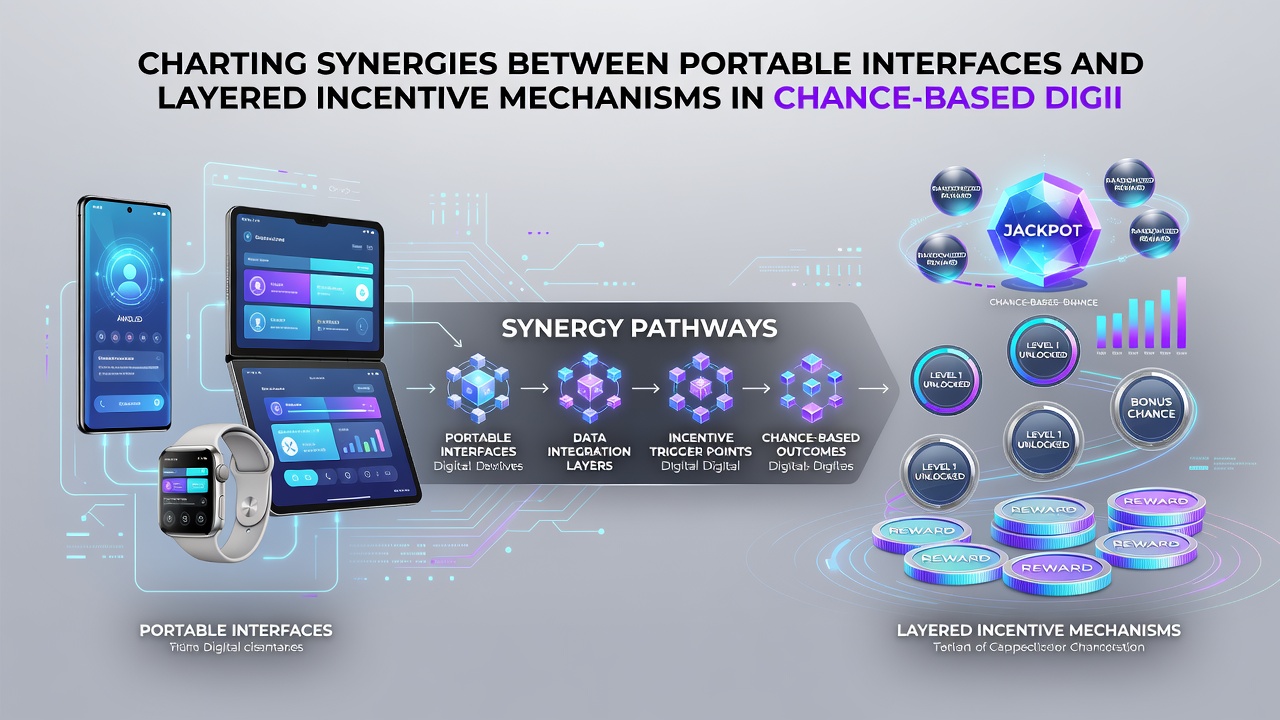
Layered incentive systems typically combine entry-level welcome credits with progressive loyalty tiers that unlock higher-value rewards after defined activity thresholds. Portable interfaces facilitate this structure by tracking micro-transactions and session durations in the background, then surfacing relevant prompts at moments when users show signs of session termination. Operators achieve this through application programming interfaces that synchronize user data across devices, ensuring that progress toward a tier remains visible regardless of whether a player switches between phone and tablet.
Evidence from platform audits reveals that seamless data synchronization correlates with extended session lengths, particularly when reward notifications appear during natural pauses in gameplay. In one documented case, a North American operator adjusted its mobile push timing after reviewing October 2026 telemetry and recorded a measurable uptick in tier advancement among users who received prompts at 15-minute intervals rather than fixed clock times.
Regional Regulatory Contexts and Platform Adaptations
Regulatory frameworks in different jurisdictions influence how these synergies manifest. The Nevada Gaming Control Board maintains oversight on mobile platform compliance within its state, requiring transparent display of all active incentives at the point of user interaction. Similar requirements appear in Australian state regulations administered through bodies such as the New South Wales Independent Liquor and Gaming Authority, where operators must log incentive delivery timestamps for audit purposes. These rules encourage developers to embed reward information directly into interface layers rather than hiding it behind secondary menus.
European operators licensed under the Malta Gaming Authority follow comparable transparency standards, and industry association reports from the European Gaming and Betting Association note that platforms meeting these standards experience fewer compliance interventions. Data shared at the 2026 International Association of Gaming Regulators conference indicated that mobile-optimized reward displays reduced player support queries related to bonus eligibility by approximately 18 percent across participating jurisdictions.
Technical Challenges and Observed Solutions
Network latency and device fragmentation present ongoing hurdles when platforms attempt to deliver layered incentives in real time. Engineers address these issues through edge caching of reward states and progressive web application techniques that allow offline accumulation tracking until reconnection occurs. Observers at technology conferences in October 2026 highlighted case studies where operators reduced reward delivery errors by 40 percent after implementing these caching strategies.
Security protocols also factor into the equation. Multi-factor authentication integrated at the interface level protects accumulated rewards, while encryption standards ensure that layered point balances remain accurate during synchronization events. Research papers published in the Journal of Gambling Studies have examined these security measures and found that platforms employing device-bound tokens experience lower rates of disputed reward claims.
Future Directions in Platform Development
Emerging technologies such as improved biometric authentication and augmented reality overlays may further tighten the connection between portable interfaces and incentive mechanisms. Developers are testing interfaces that project progress meters directly onto gameplay visuals, allowing users to monitor tier advancement without leaving the main screen. Industry reports from the Global Gaming Expo held in October 2026 suggest that early adopters of these features see sustained increases in daily active users across mobile cohorts.
Cross-platform data sharing agreements between operators and device manufacturers continue to evolve, creating additional pathways for reward personalization while remaining within existing regulatory boundaries. These developments indicate that the technical and operational linkages between mobile interfaces and layered incentives will remain a central focus for platform operators seeking to maintain consistent user engagement across regions.
Conclusion
Portable interfaces and layered incentive mechanisms operate as interdependent elements within modern chance-based digital platforms. Interface features enable precise delivery and tracking of rewards, while incentive structures provide the motivational framework that keeps users returning to those interfaces. Regulatory environments across multiple continents shape how these elements combine, and ongoing technical refinements continue to influence their effectiveness. Data collected through October 2026 demonstrate measurable impacts on engagement metrics when the two components align through thoughtful design and compliant implementation.